Virelli
AI-driven platform that transforms ordinary dealership photos into scroll-stopping marketing visuals.
- Role
- Founder · Design · Eng · Marketing · Growth
- Timeframe
- Spring–Summer 2026
- Stack
- Python · Flux 2 · BiRefNet
- Status
- In validation
The business opportunity
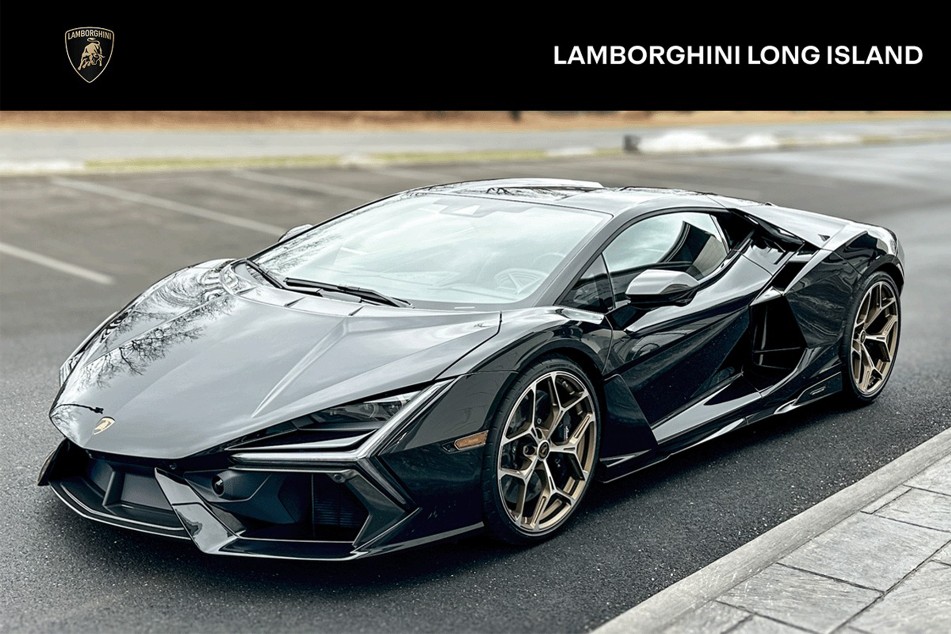
As a car enthusiast, I noticed that a huge number of online auto listings used photos that ranged anywhere from ordinary to awful. Images were often dark, overexposed, cluttered, or even featured dirty cars. And for many dealers, these images serve as their primary feature photos for all social media advertising and their website.
Research shows that polished online photos gain more attention, garner greater click-through rates, and ultimately drive more sales. And yet, dealers are not equipped to retain professional photographers to adequately position, light, and photograph each vehicle within their large, fast-turning inventory.
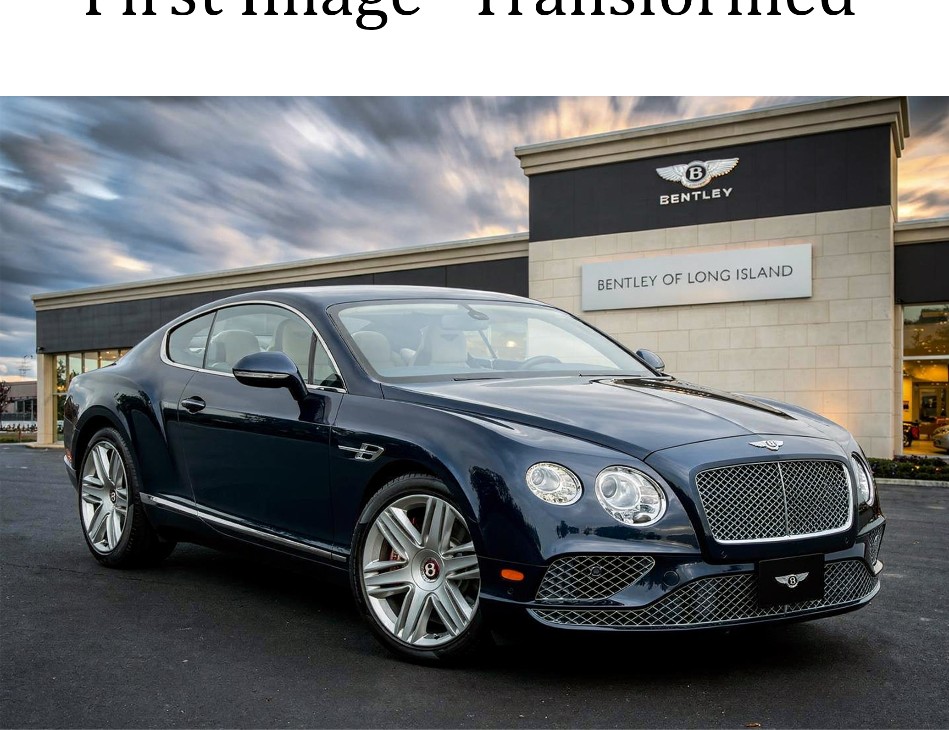
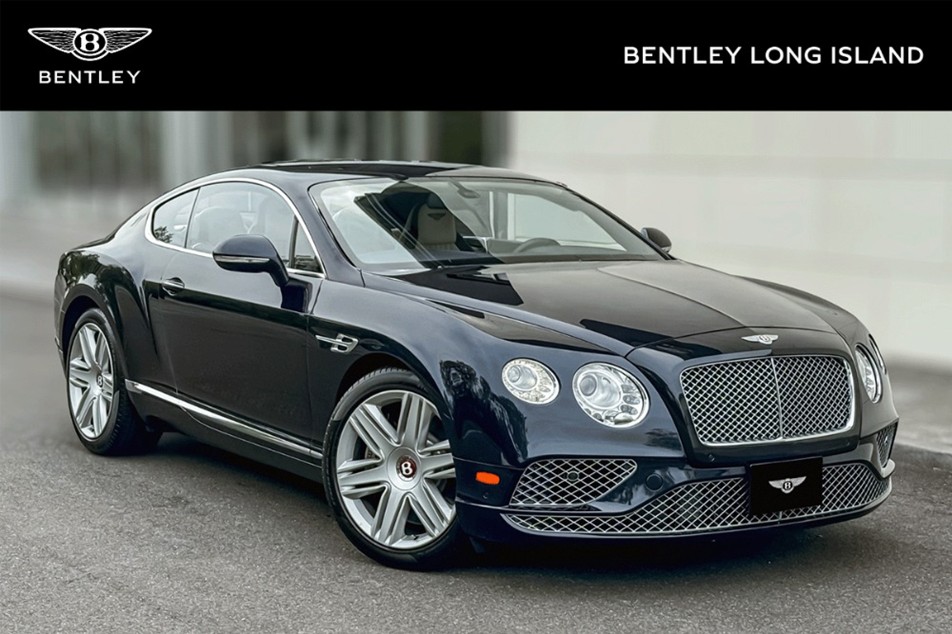
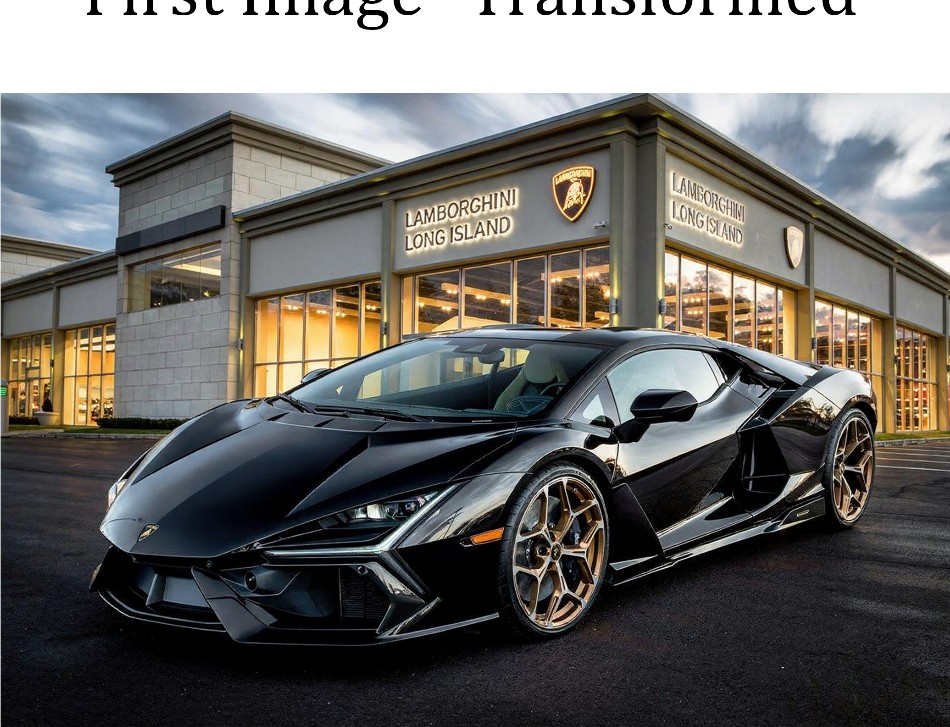
So, I came up with a solution: an advanced, AI-driven photo editing process that requires nothing more than an online upload of each ordinary feature photo, which then turns those photos into scroll-stopping, showroom-quality marketing visuals.
The project arc
Concept
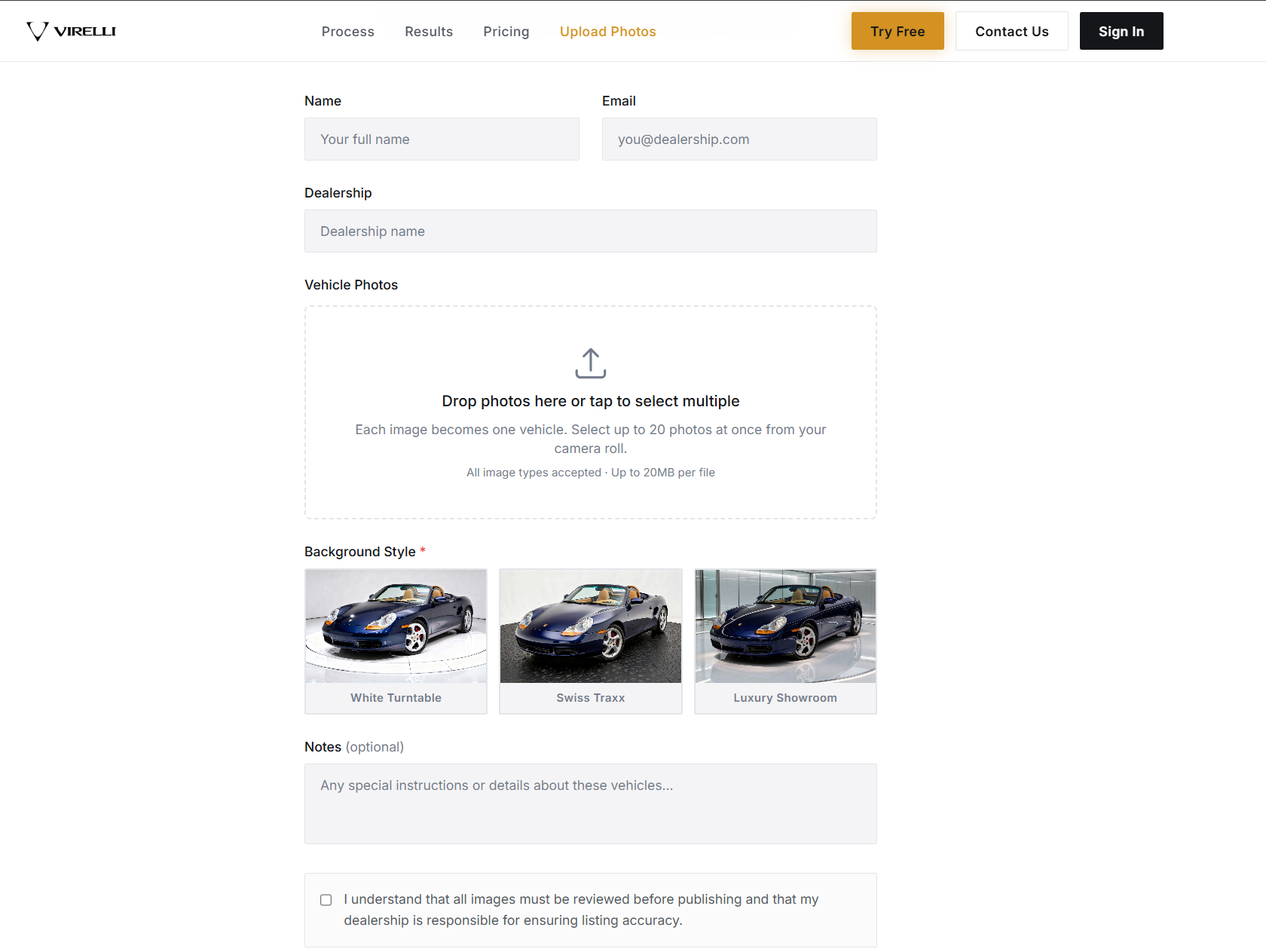
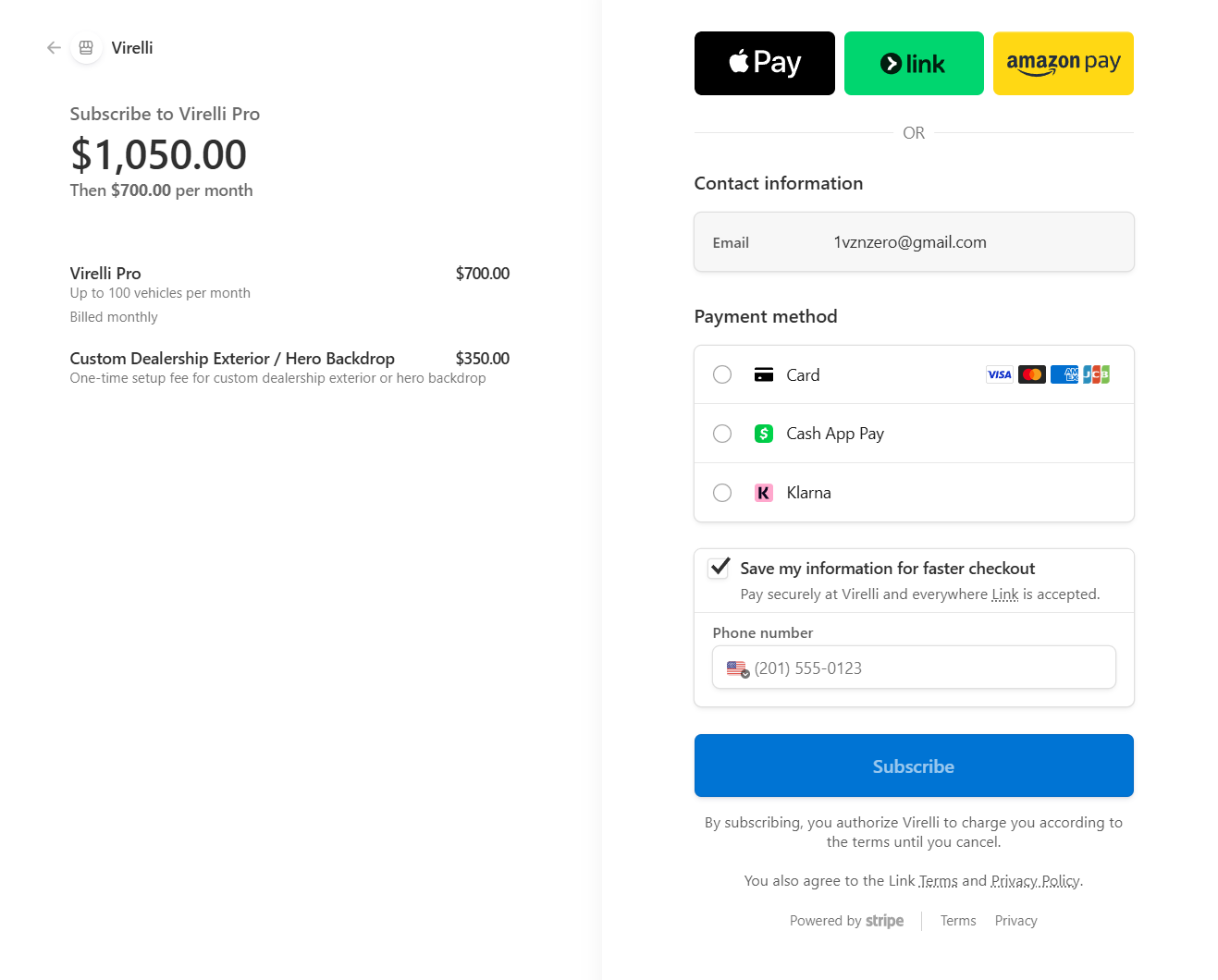
I wanted the platform to be as low-friction for the dealer as possible. I knew dealers were already taking photos themselves and uploading them for website and social media placement - I wanted to tap into that workflow. So I built a website that lets dealers create an online account, pay by credit card, upload their ordinary photos, and receive beautifully transformed photos 48 hours later. Keep it simple.
Tech solution
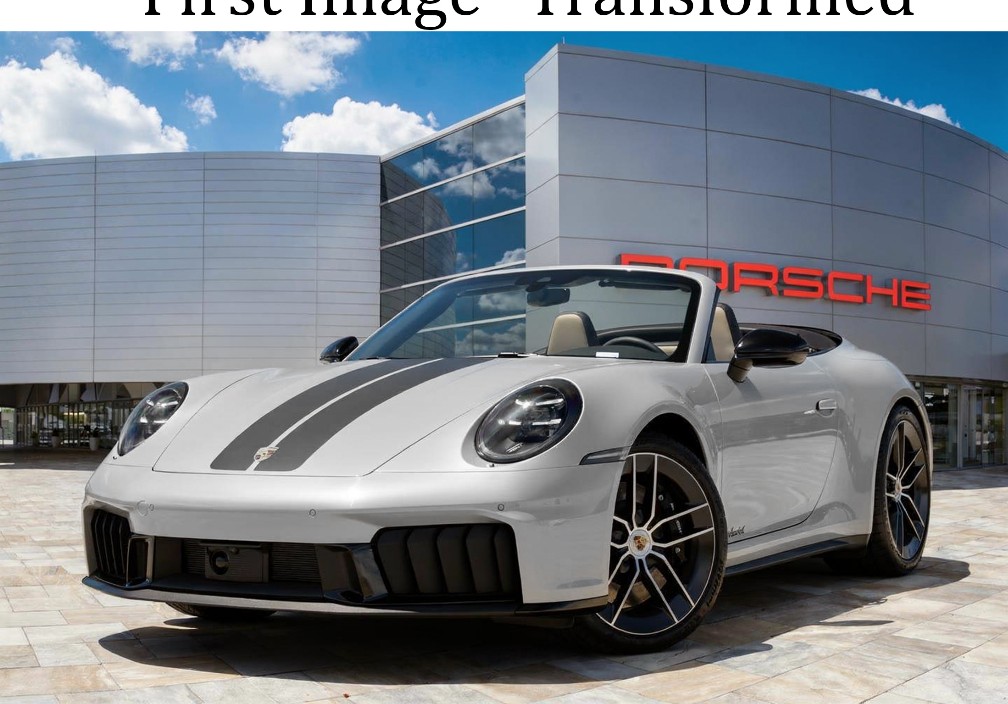
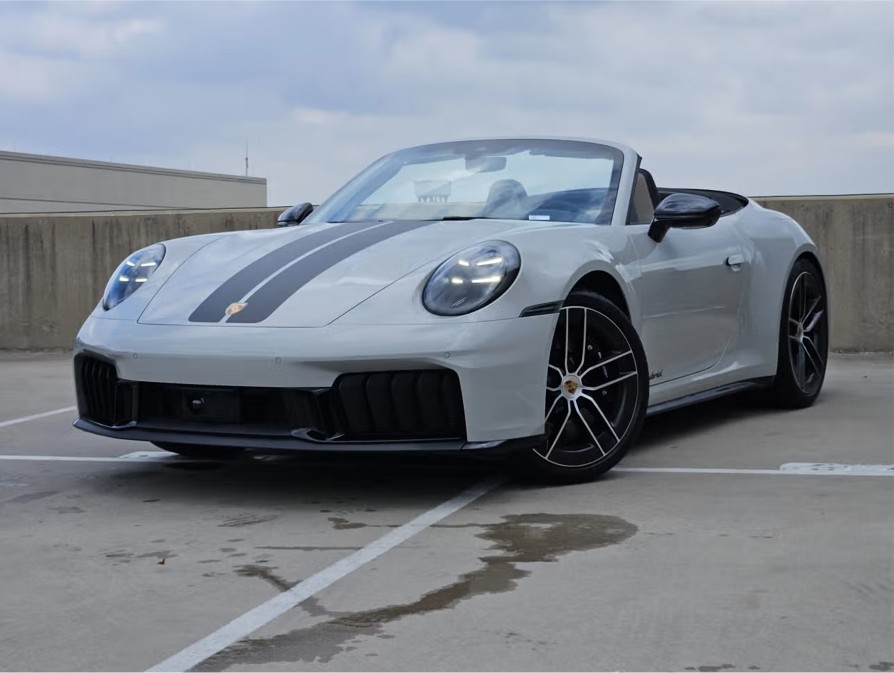
Development was an iterative learning process. The first version was pretty rough: one-shot AI generation, prompting Flux directly to reimagine the whole scene. Good starting point, but I hit a snag immediately - generative models happily invent a plausible car without strict adherence to badges, license plates, brake caliper colors, or reflections. So I rebuilt it with quality control as the focus. The final model pairs a Flux-based transformation driven by trained prompt engineering with a professional photographer ("human in the loop") individually curating each photo. The tech isn't fully autonomous yet, but the QA step builds real client confidence.
Market deployment
This turned out to be the most challenging part of the project. The auto dealer industry has an extensive workflow underlying every photo you see - end-to-end photo management companies bundle photo processing, background replacement, VIN organization, website uploads, and ad trafficking, all while claiming to offer "AI-assisted editing." While that's largely puffery (they aren't actually transforming the autos), it causes confusion and hesitation when dealers first see our proposition.

What I built
What I built
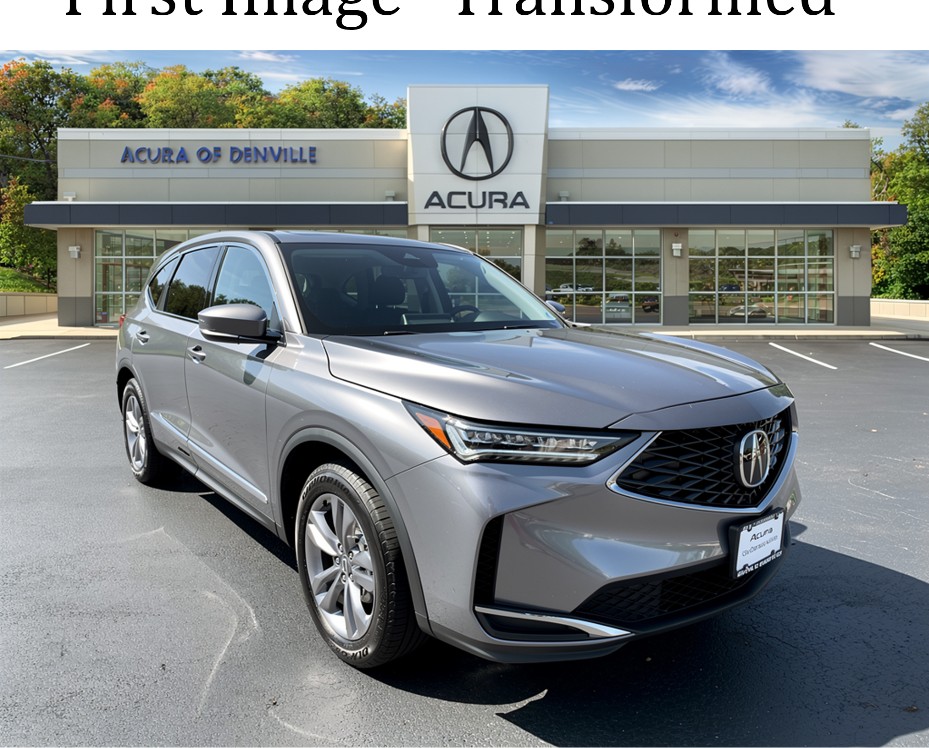
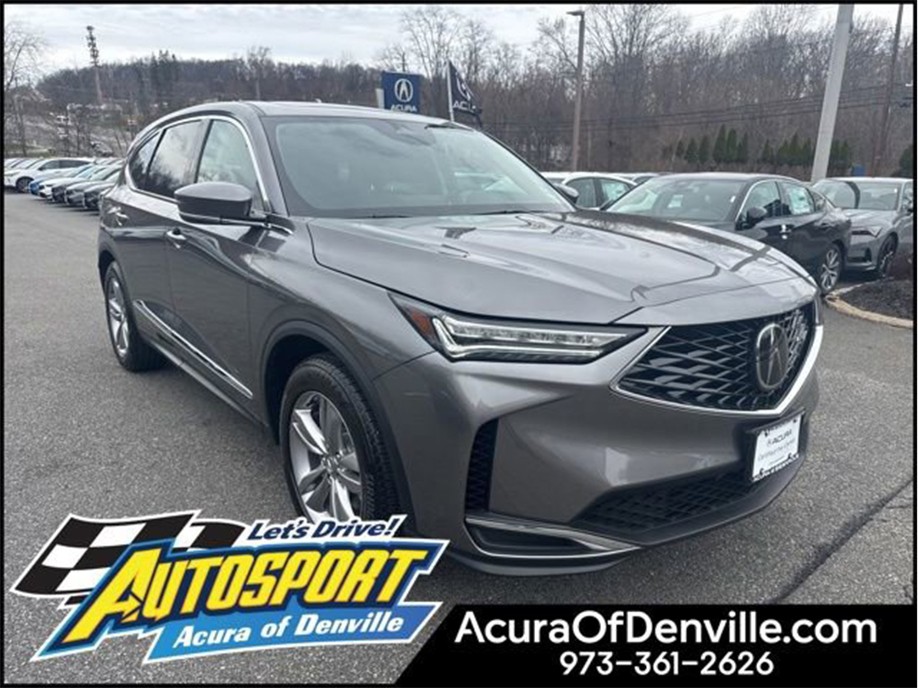
I developed an AI-assisted vehicle imaging workflow that transforms ordinary dealership photos into clean, professional-quality marketing images. Using Flux and custom workflows, the system can enhance lighting, reduce glare, remove distractions like dirt, snow, or clutter, and place vehicles into consistent branded backgrounds of the client's choice. The goal is to create images that look professionally edited while preserving the appearance of the actual vehicle. Because accuracy matters in automotive imagery, every image goes through a human quality review to ensure the AI hasn't altered vehicle proportions, added artifacts, or introduced inaccuracies. The result is a scalable, AI-powered process that combines automation with expert curation to deliver consistent, dealer-ready imagery.

The thinking behind it
I originally explored building a fully automated, end-to-end image generation pipeline. Through that process, I realized that achieving reliable, production-quality results would require significant engineering complexity and investment. Instead, I pivoted toward a more practical approach: using generative AI to do the heavy lifting while keeping a human in the loop for quality control. That decision reflects my broader philosophy about AI: the best solutions often aren't fully automated-they're thoughtfully designed systems where AI amplifies human judgment rather than replacing it.
The web app and brand
The brand name, logo design, visual identity and website were all conceived, designed and built by me. I wanted the brand to emulate a high-end foreign automotive aesthetic - essentially give it an Italian sports car "Ferrari" flair. But I also wanted to convey an expertise in auto industry photo-management workflows, and showcase the primary benefit: increasing auto sales.


Go-to-market
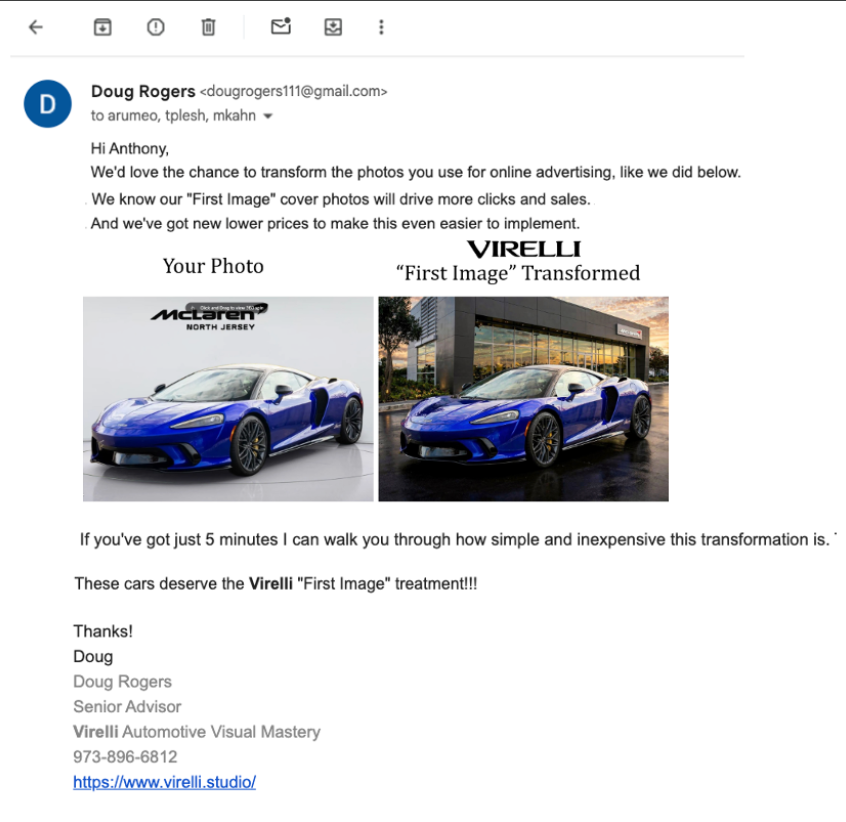
I didn't just build it, I took it to market. First, I manually created a highly customized cold-outreach email campaign beta run with 60 select dealers. This provided valuable learning and revealed areas of interest as well as client objections. I then hired a 3rd-party email list supplier to scale the campaign to 3,000 dealerships.
Following poor CRM results from that campaign that seemed strange (the supplier claimed 32% "open" rates, yet other metrics put that in doubt), I undertook my own data analytics effort and diagnosed why it failed. (Bounces, bot farm and spam rates were sky high; the true "open" rate was closer to 2%.) So, I rebuilt the entire sending stack from scratch. Among other corrective initiatives: I created a fully authenticated sending domain and target audience list with verified emails; I configured sender personas on Instantly and executed a proper multi-week warmup instead of just blasting cold; I set outreach rules from first-hand testing: link-free and image-free first-touch, one personalized line per dealer, quality of fit over list size. I segmented the contact lists to strip non-genuine targets (parts stores, lube chains, accessories suppliers) before a single send, and handled positioning against the real incumbents - the processing platforms, not photographers.
What I learned
Architectural build: AI still has its limits - this is something us creative techs, and everyone else, keep relearning every day. While AI can do a lot, my earliest iterations reminded me that hallucinations are still present in every AI design-and-build project. No client-facing solution should ever be built or deployed without adequate "human-in-the-loop" quality controls built in.
Penetrating existing workflows: We humans are creatures of habit. And our existing business workflows are just that: habits; habits that are hard to break. For an AI solution to truly be workflow-enhancing it must reflect a deep understanding of that workflow, and be designed to clearly show an efficiency AND output quality improvement. Because of the existing end-to-end photo/VIN services companies, Virelli's offering has struggled to break into a market saturated with existing infrastructure.
Go-to-market: Third-party data metrics should not be taken on face value. Had I relied on such metrics here, without doing my own data analytics, I would have hastily concluded that the Virelli business proposition was flawed when, in fact, the email execution was flawed. Conducting my own analytics, I discovered that the third-party email vendor was providing misleading metrics. Among the red flags: over 90% of so-claimed "opens" tracked through Chrome; most of the traffic was kicking over to known datacenter hubs. It turns out the true human open rate was only around 2%. The lesson here: be vigilant in selecting suppliers, and verify everything.
Brendan Rogers · 2026