AutoEditPro
A solo-built AI-powered editing solution designed specifically for real estate photographers-delivering stunning, consistent, MLS-ready magazine-quality property photos in just minutes. With one-touch simplicity, AEP eliminates bracketing, flash setups, window pulls, and tedious software adjustments, freeing photographers to shoot more properties, earn more income, and focus on growing their business.
- Role
- Founder · ML · Design · Eng · Marketing · Growth
- Timeframe
- 2024 – 2026
- Stack
- PyTorch · React · Cloud GPU
- Status
- Built & Validated
The business opportunity
A professional real estate photographer's livelihood depends on the ability to quickly deliver the highest-quality property photos for as many properties as possible in a given year. As a professional photographer myself, I know firsthand that the biggest bottleneck standing in your way of making money is the cumbersome and time-consuming task of post-processing editing.
Every pro goes through a similar process. They come back from their photo shoot and head to the computer to begin editing: correcting color, exposure, white balance; perfecting vertical and horizontal lines; adjusting "window pulls" for clarity. The list goes on, while the time ticks away. The existing editing technology is invaluable - Lightroom and Photoshop are tools that help with all of the above, and offer presets for consistency. But the inescapable thought is: there has to be a faster, easier way.
That's where the lightbulb went on for AutoEditPro. I set out to create an automated AI-editing platform that would dramatically reduce editing time, freeing up time for more shoots and more revenue without compromising quality.
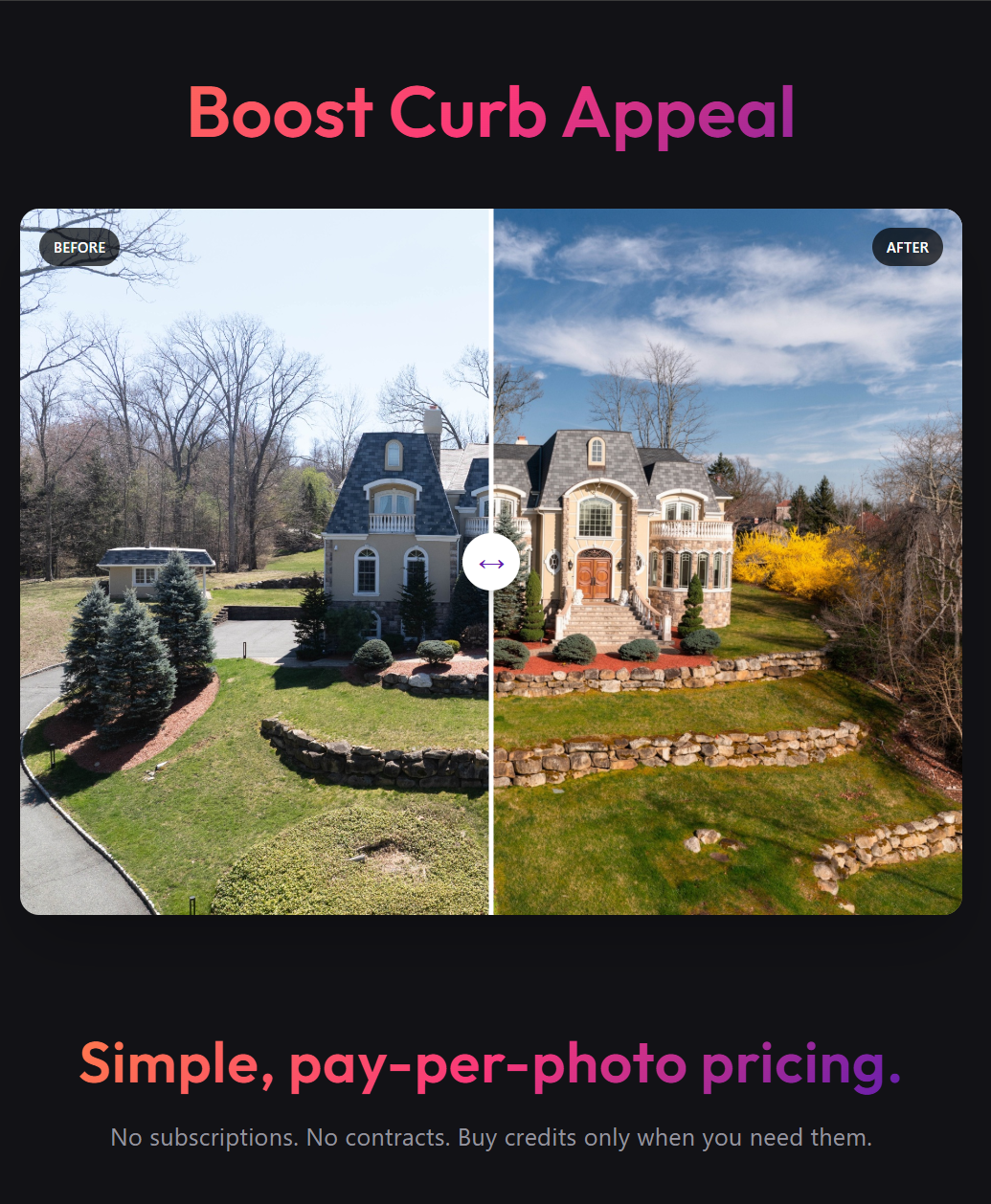
The project arc
Concept
Quality is king in professional real estate photography, especially when such high-value assets are at stake. So, my goal was to build an AI-assisted automated editing model that would confidently meet a quality standard for the basic deliverables: accurate colors, straight lines, crisp window pulls and lighting, and no hallucinations. By doing so, I could meet the core business proposition: "With one-touch simplicity, AEP eliminates bracketing, flash setups, window pulls, and tedious software adjustments, freeing photographers to shoot more properties, earn more income, and focus on growing their business."
Tech solution
I wanted a true self-service platform that would afford the photographer convenience and control. But I also needed to offer differentiation in a fast-changing photo-editing market. The convenience component spoke to the benefit of time efficiency - photographers could simply establish an account with a credit card, upload their photos, click "start editing", and just chill out (or, more importantly, use that time to manage and grow their business). As for control, I knew that most photographers are extremely particular about the details of their work. So, beyond guaranteeing basic quality standards, I needed to offer some custom features and editing choices. Relatedly, that drove a solution to my need for differentiation. I decided to add features beyond standard editing (e.g., decluttering, virtual staging, custom editing/lighting styles) to give AEP a unique "one-stop-shopping" benefit.
Market deployment
The target audience was obviously real estate photographers. But I knew that not everyone would instantly bite. Most photographers are proud craftsmen and artists, and very specific and guarded about their methods. There would be reluctance and skepticism about outsourcing a key portion of their craft to anyone, let alone an AI platform. So, two go-to-market strategies were clearly most important: First, narrow the target audience to high-volume photographers who would be more likely to accept a basic level of quality if it offered the advantage of freeing up time. Second, I would need to "show-and-tell" the AEP story to prove the model and earn their confidence. All of this was under additional pressure: larger AI-assisted editing enterprises were entering the market during my development. I wasn't the only one with this idea.
What I built
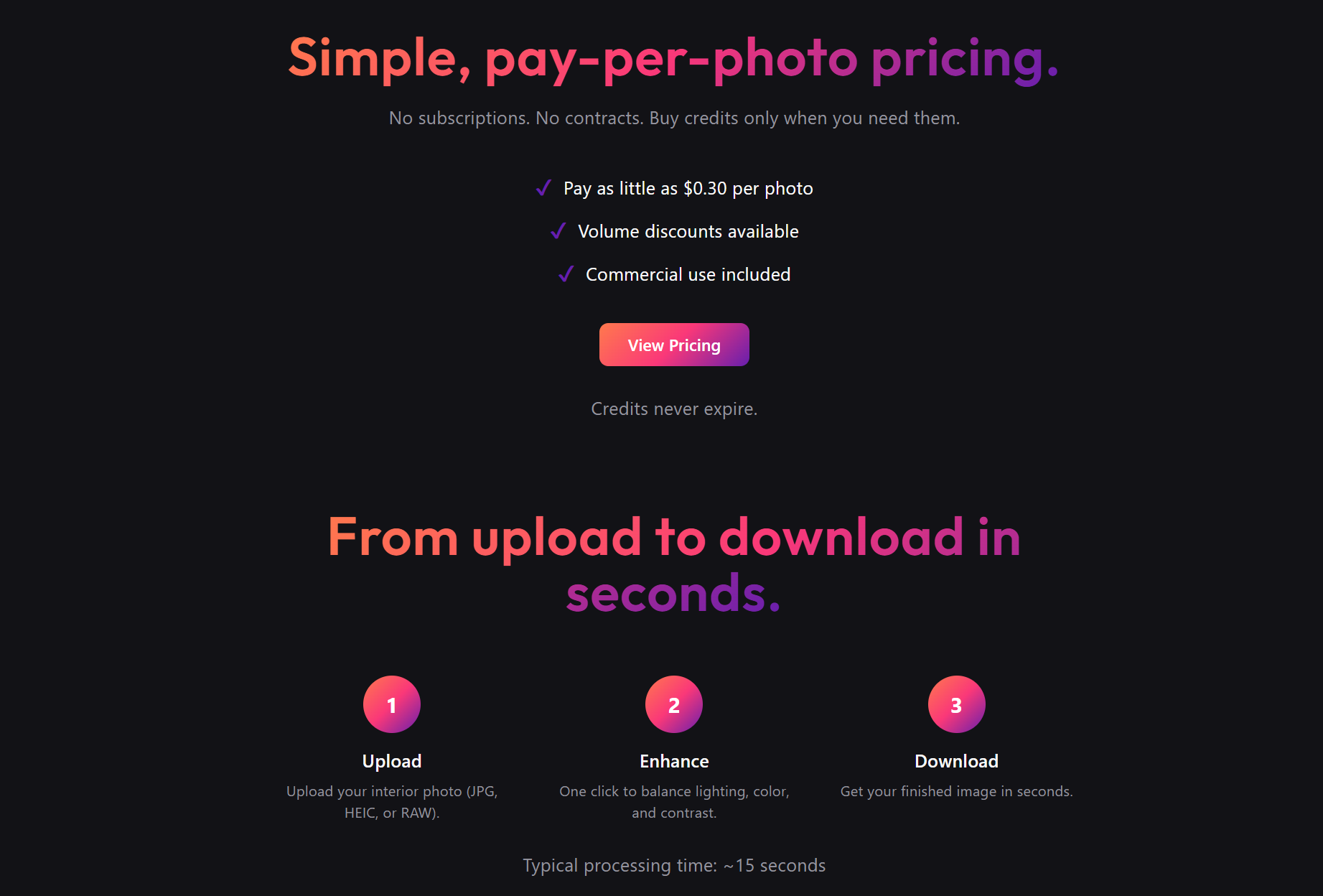
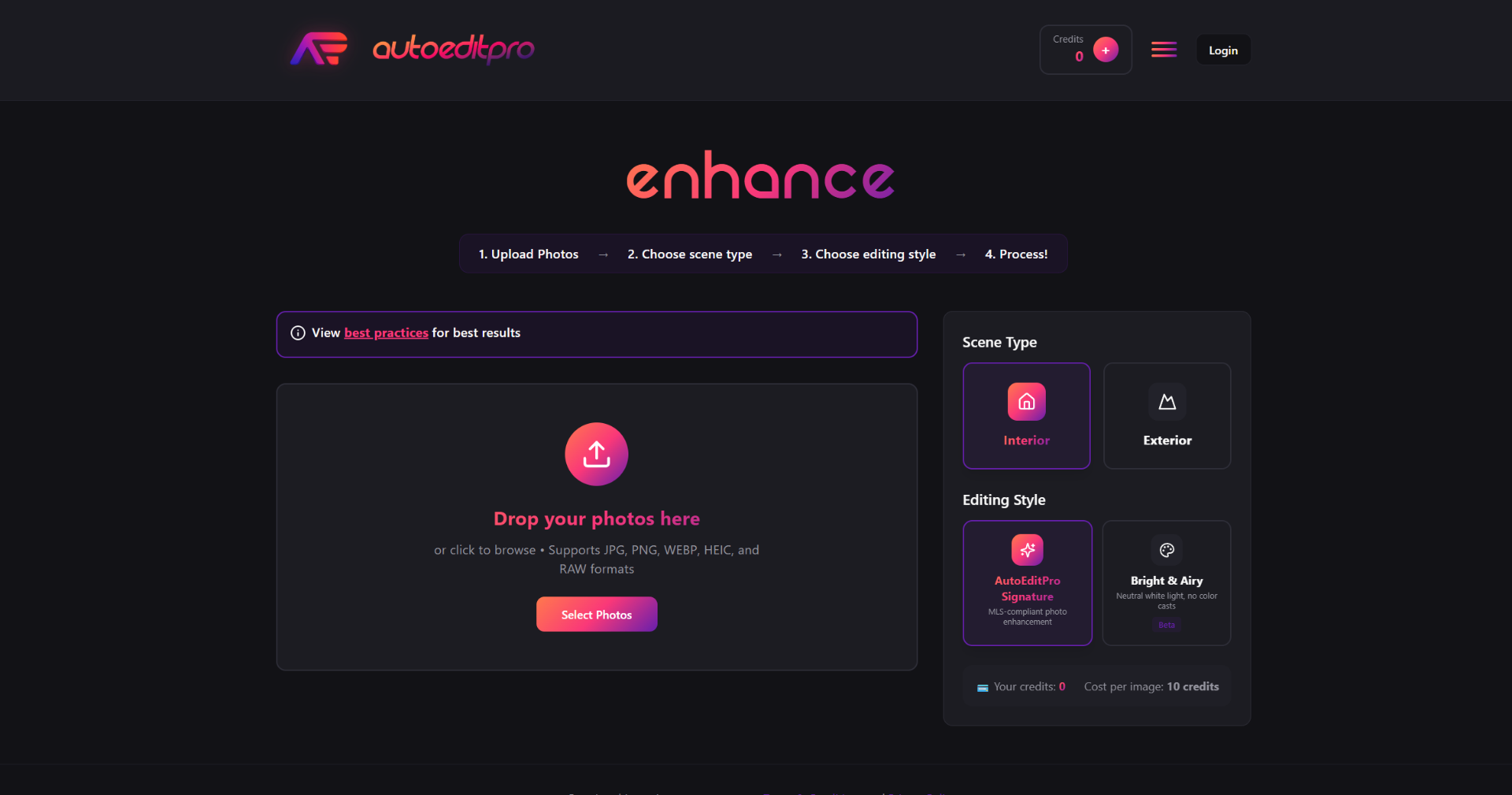
Four pieces had to work together: the model, the architecture, the app, and the brand.
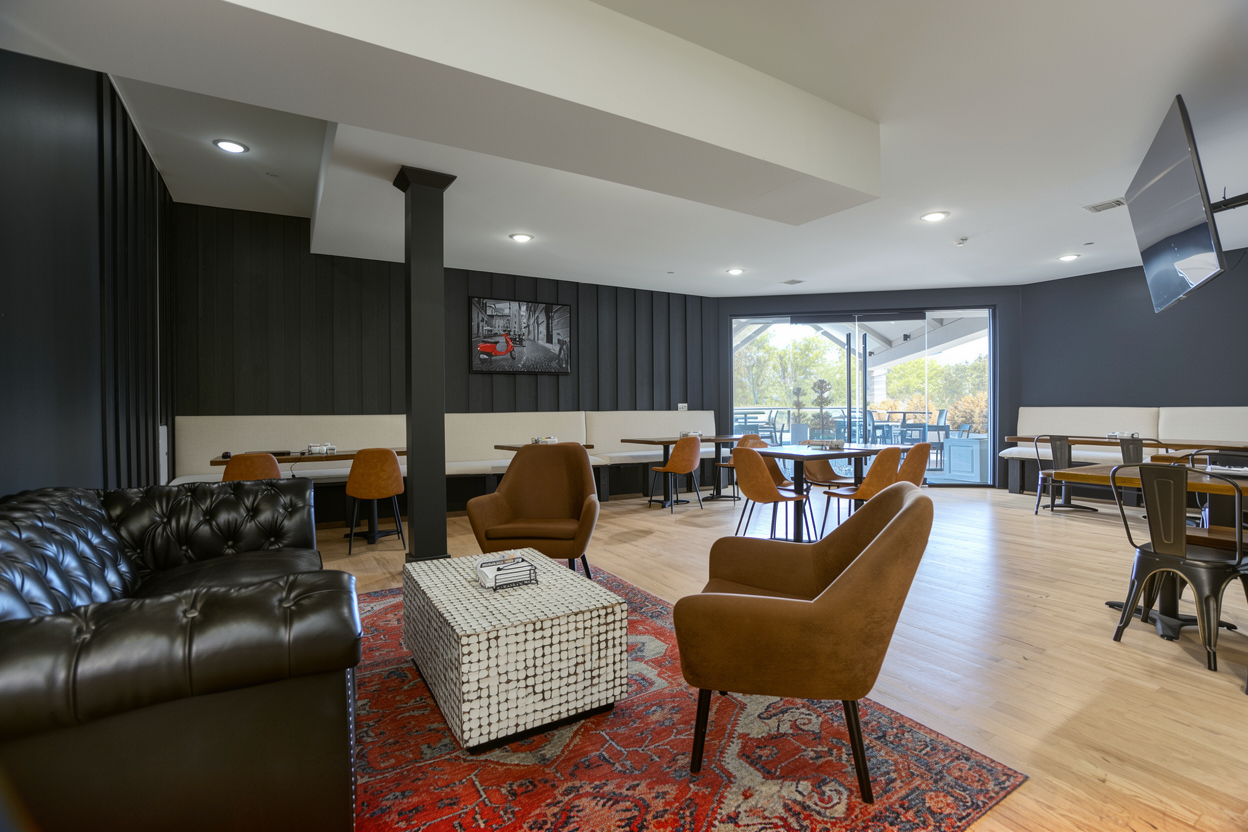
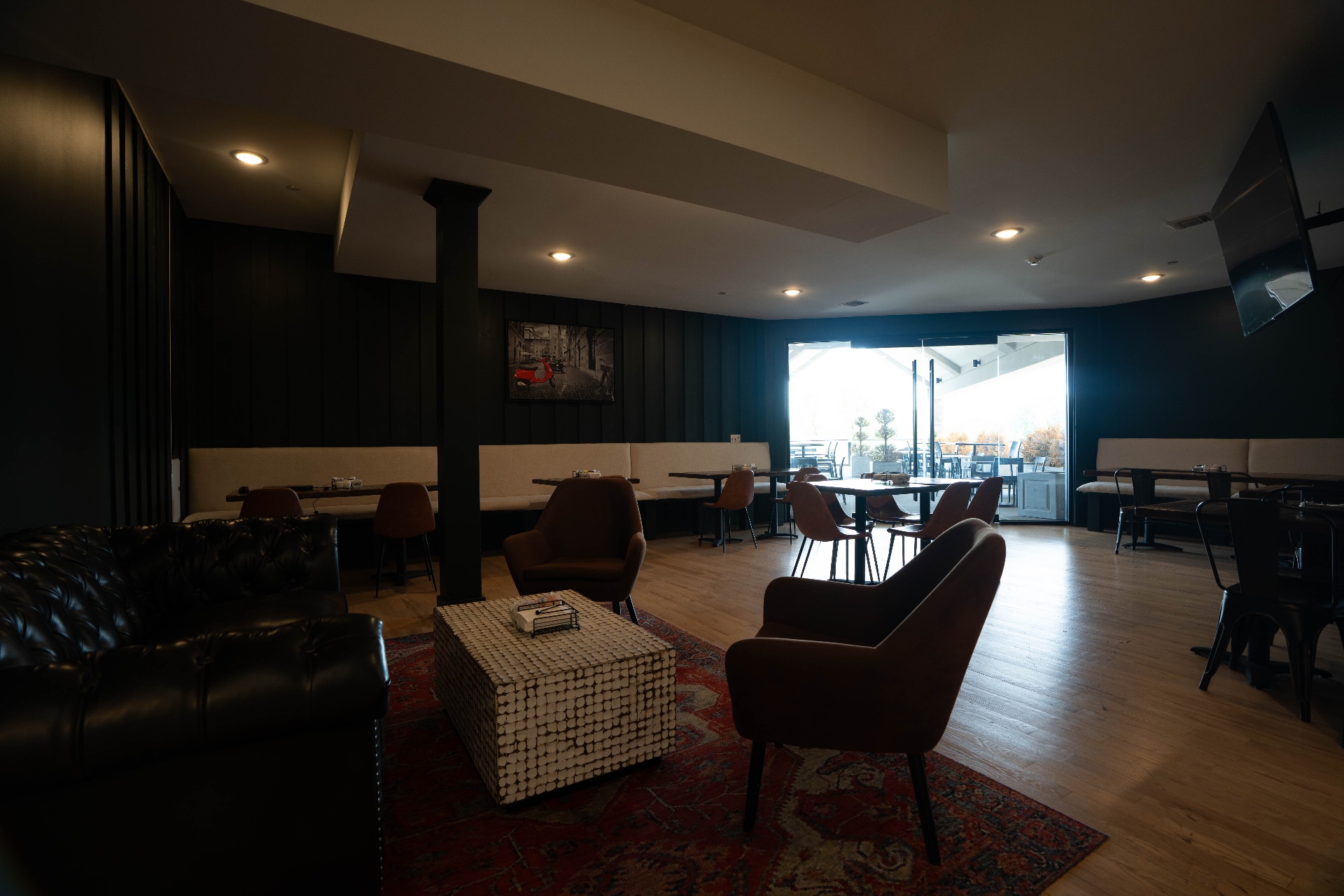
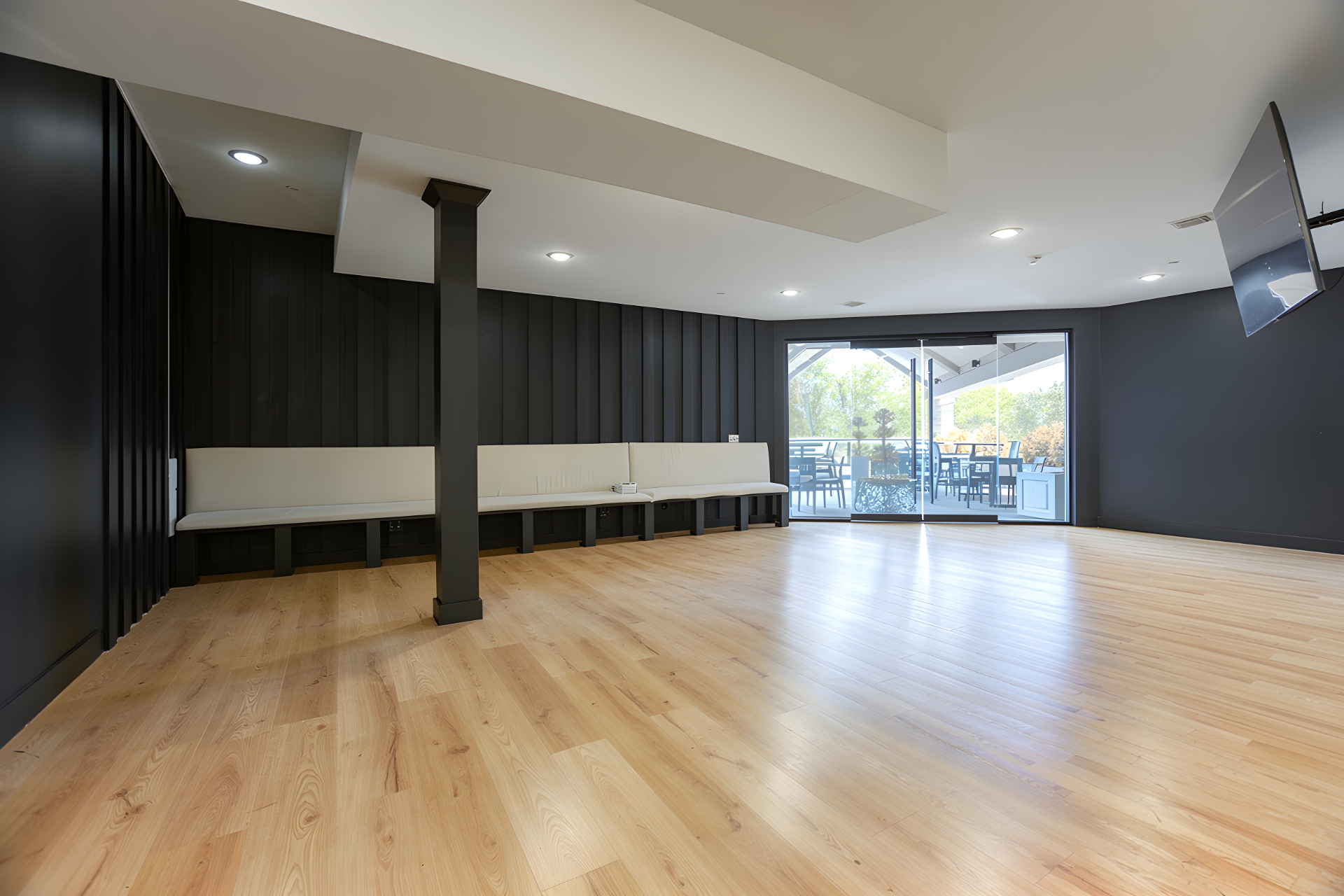
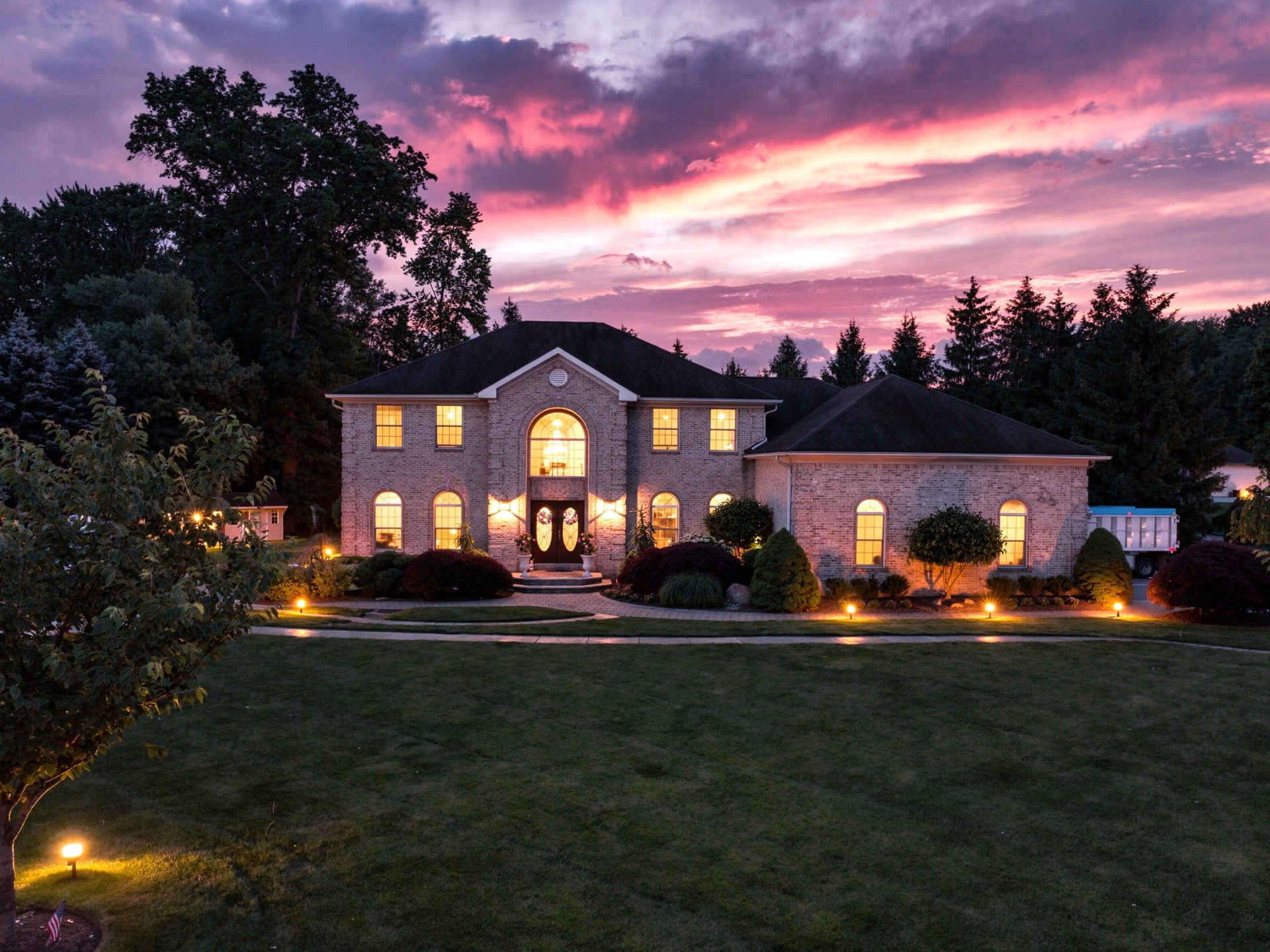
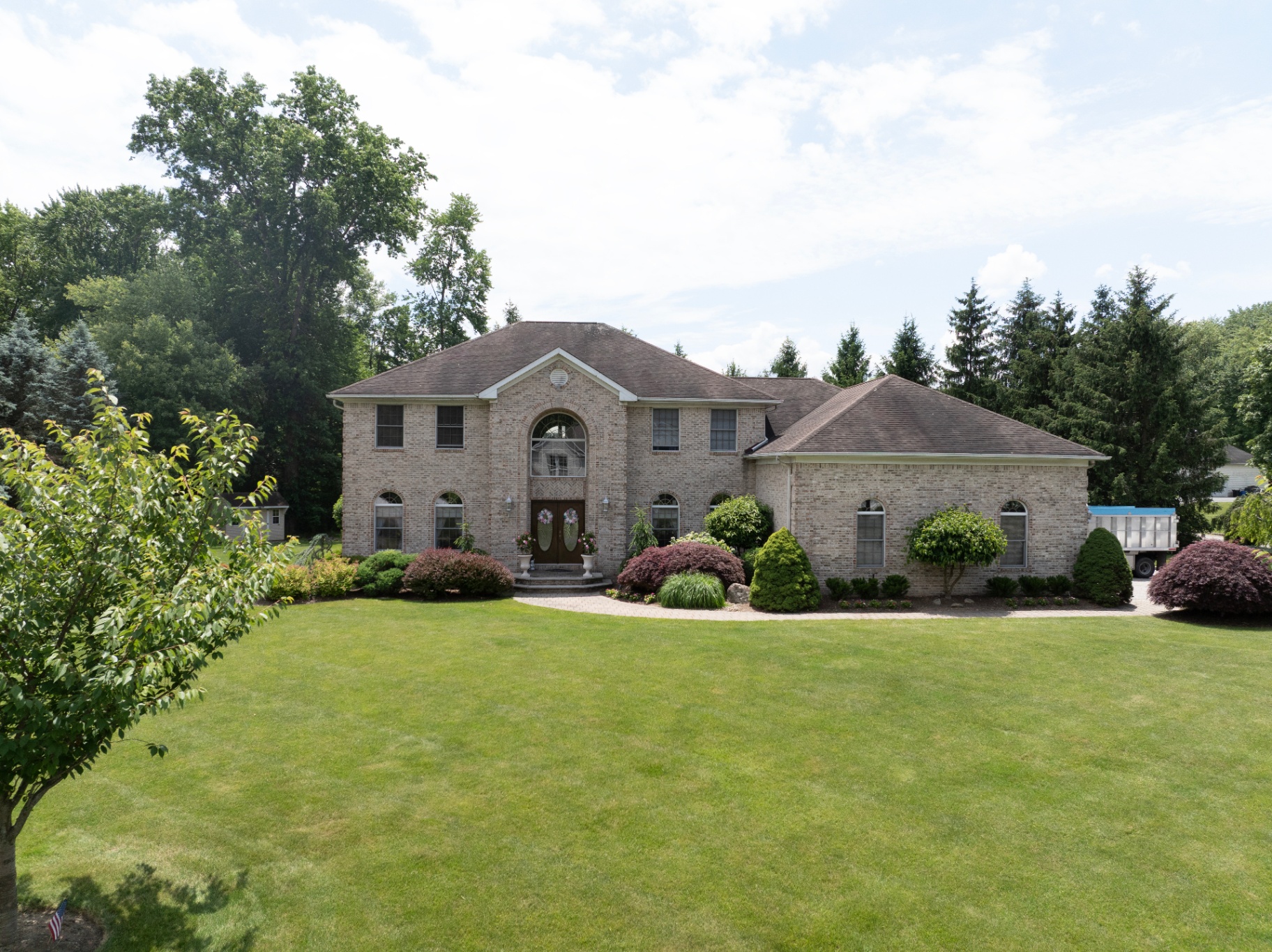
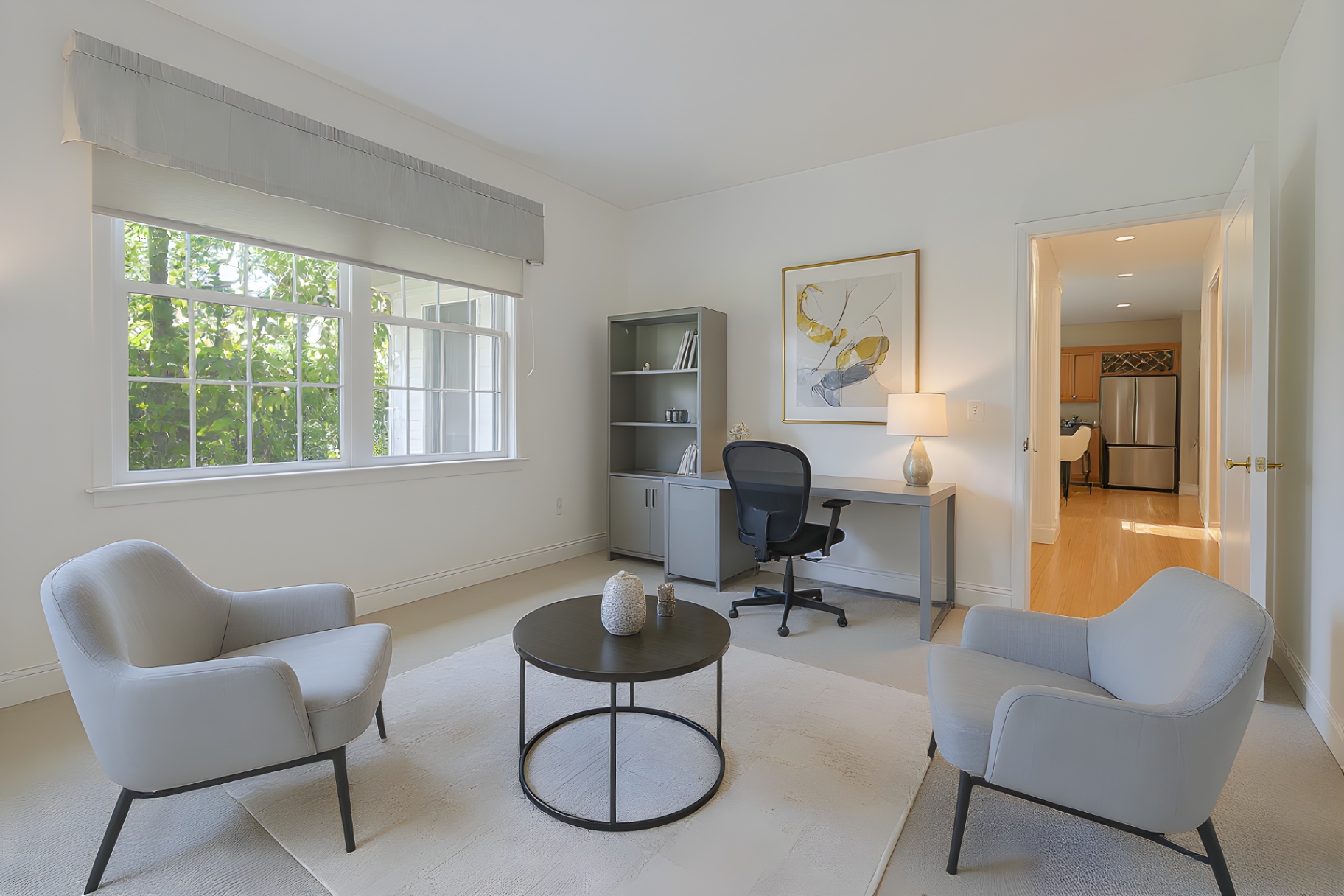
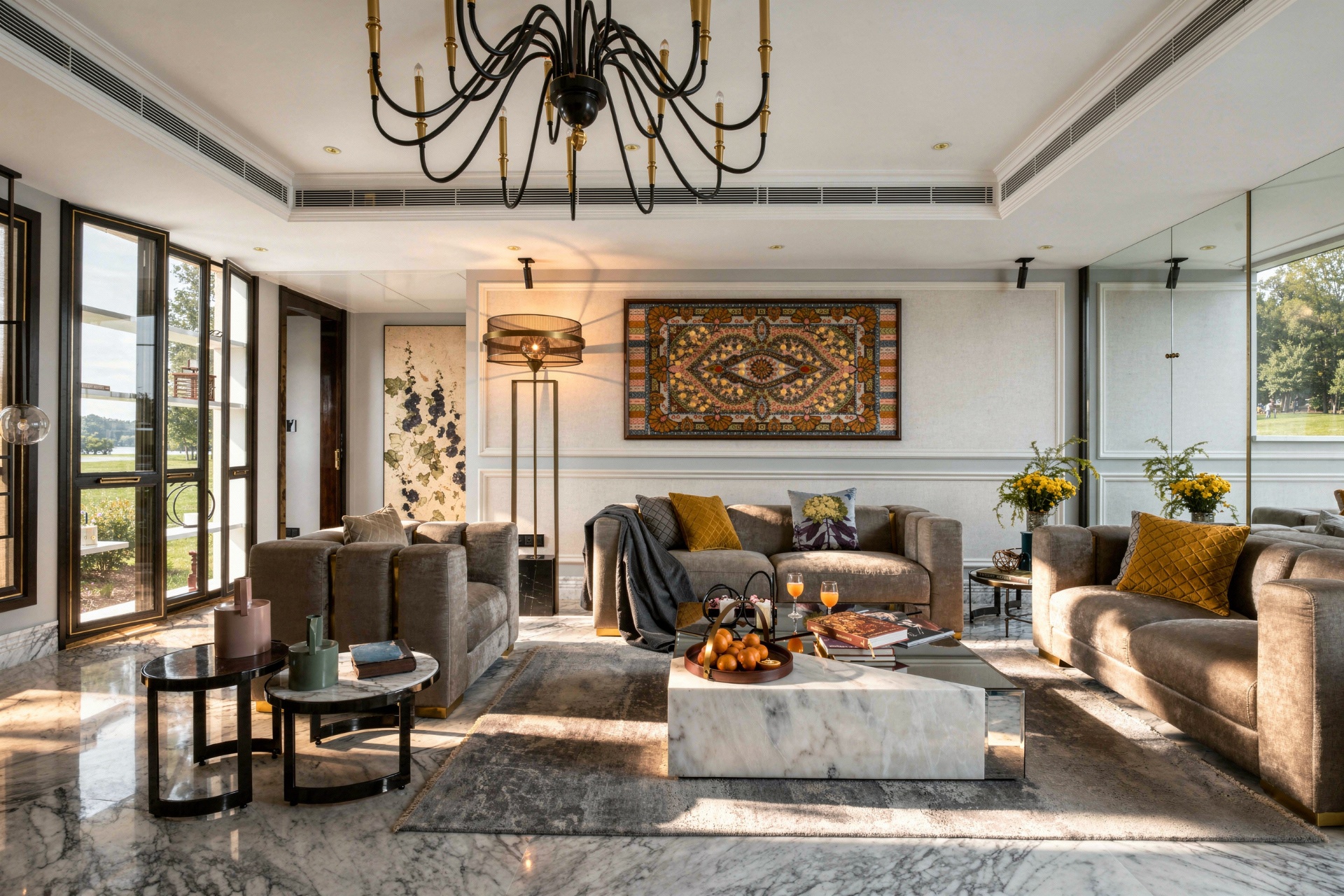
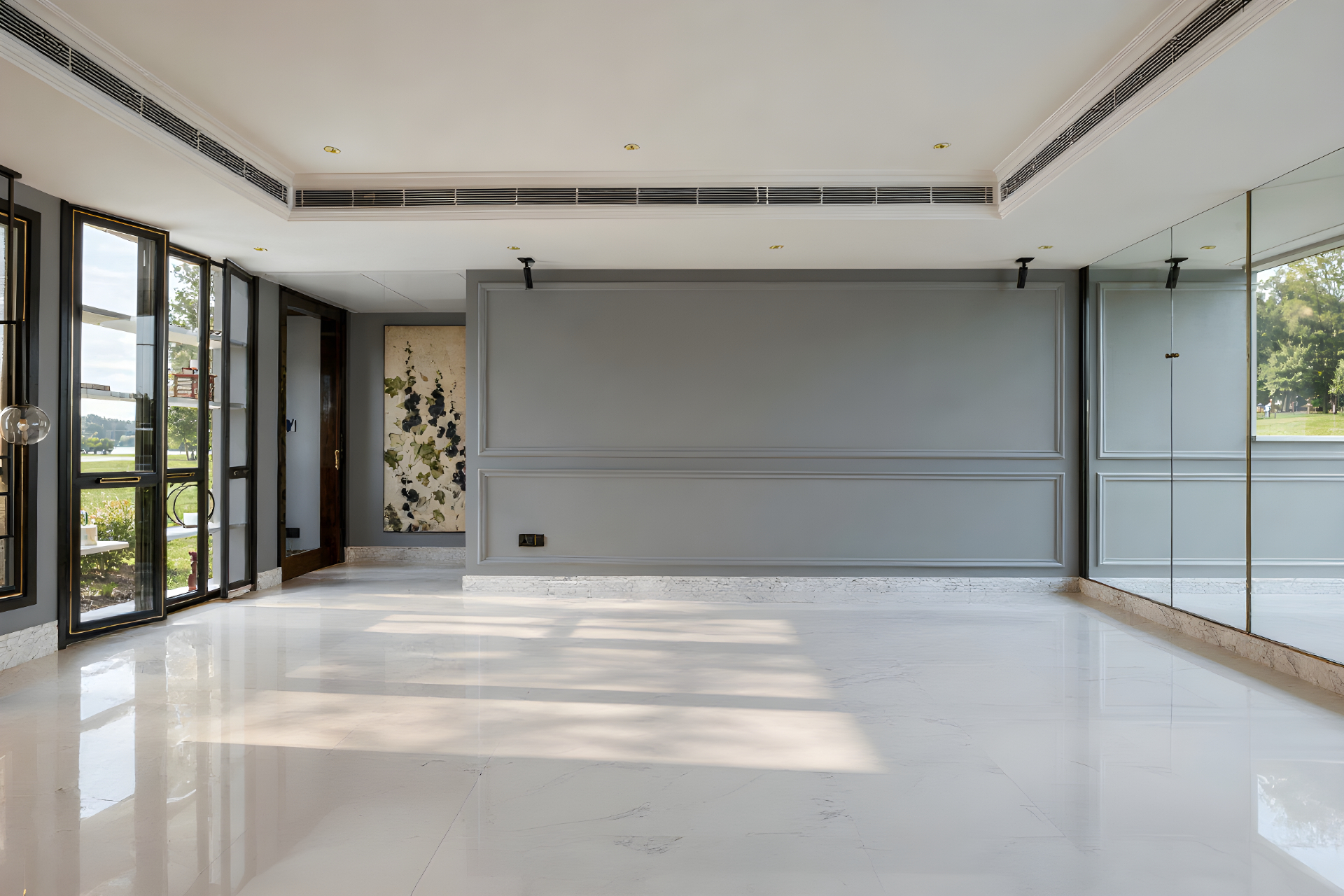
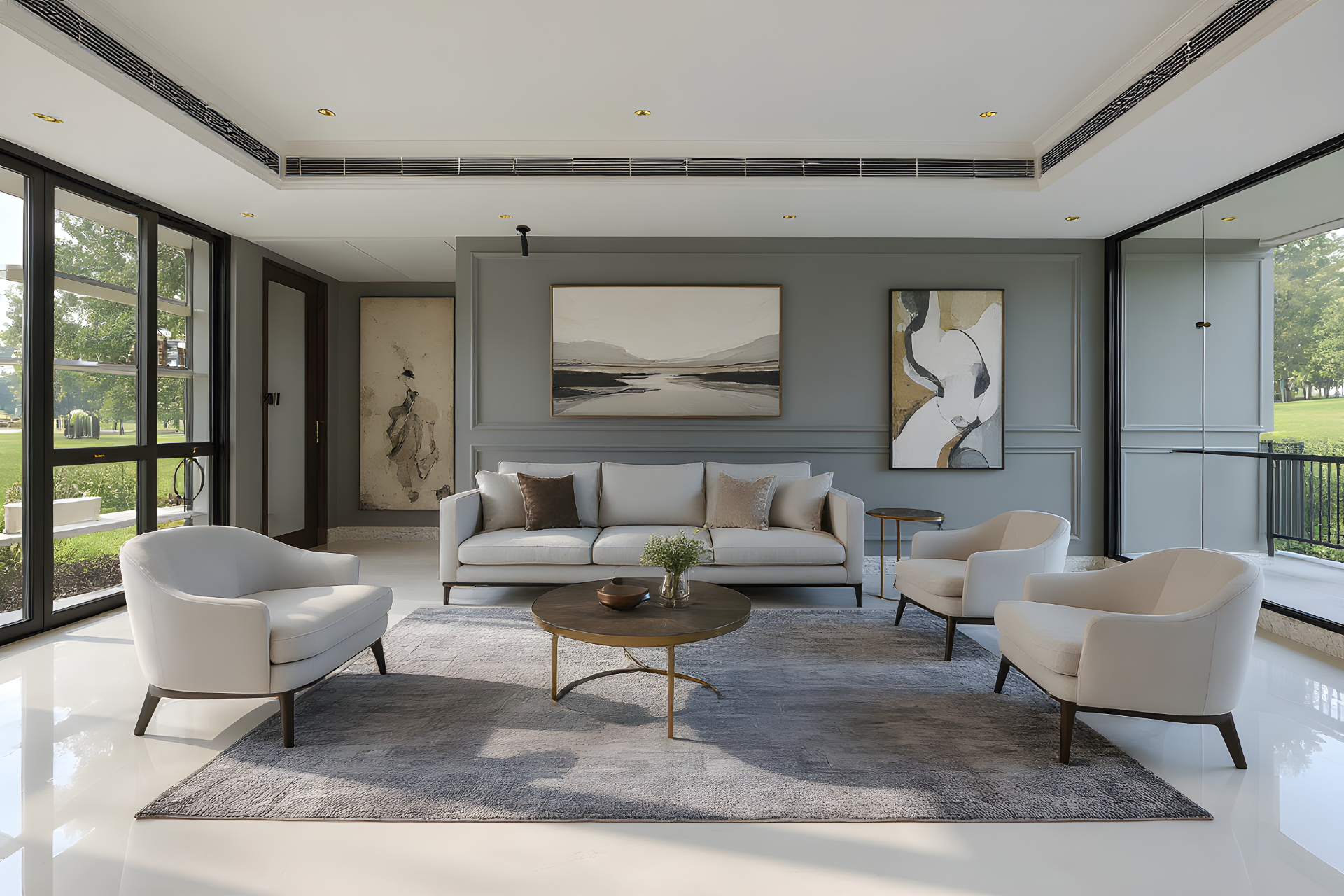
Full transformation sequence
One raw exposure, five stages: expose, refine, de-stage, and virtually restage.
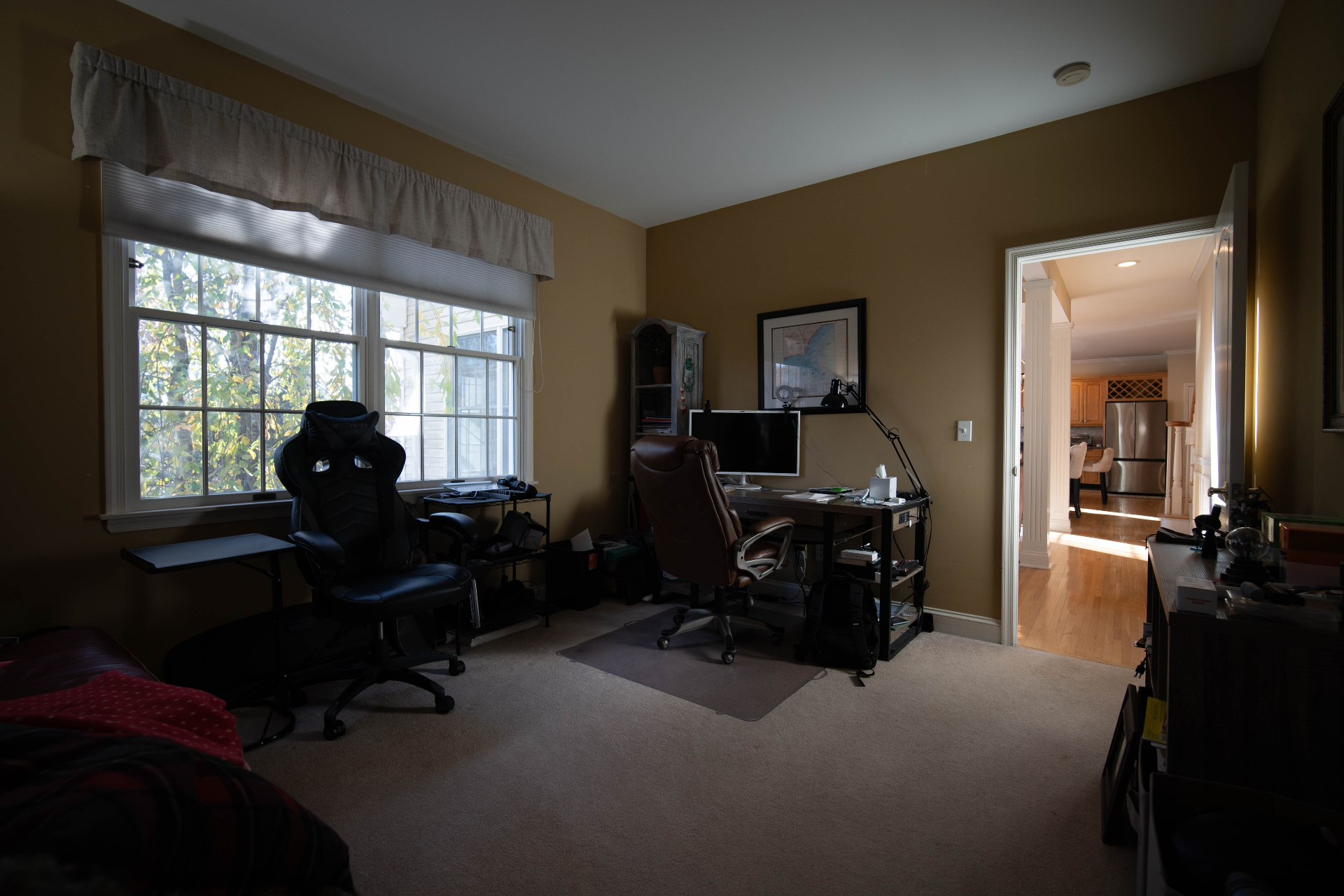
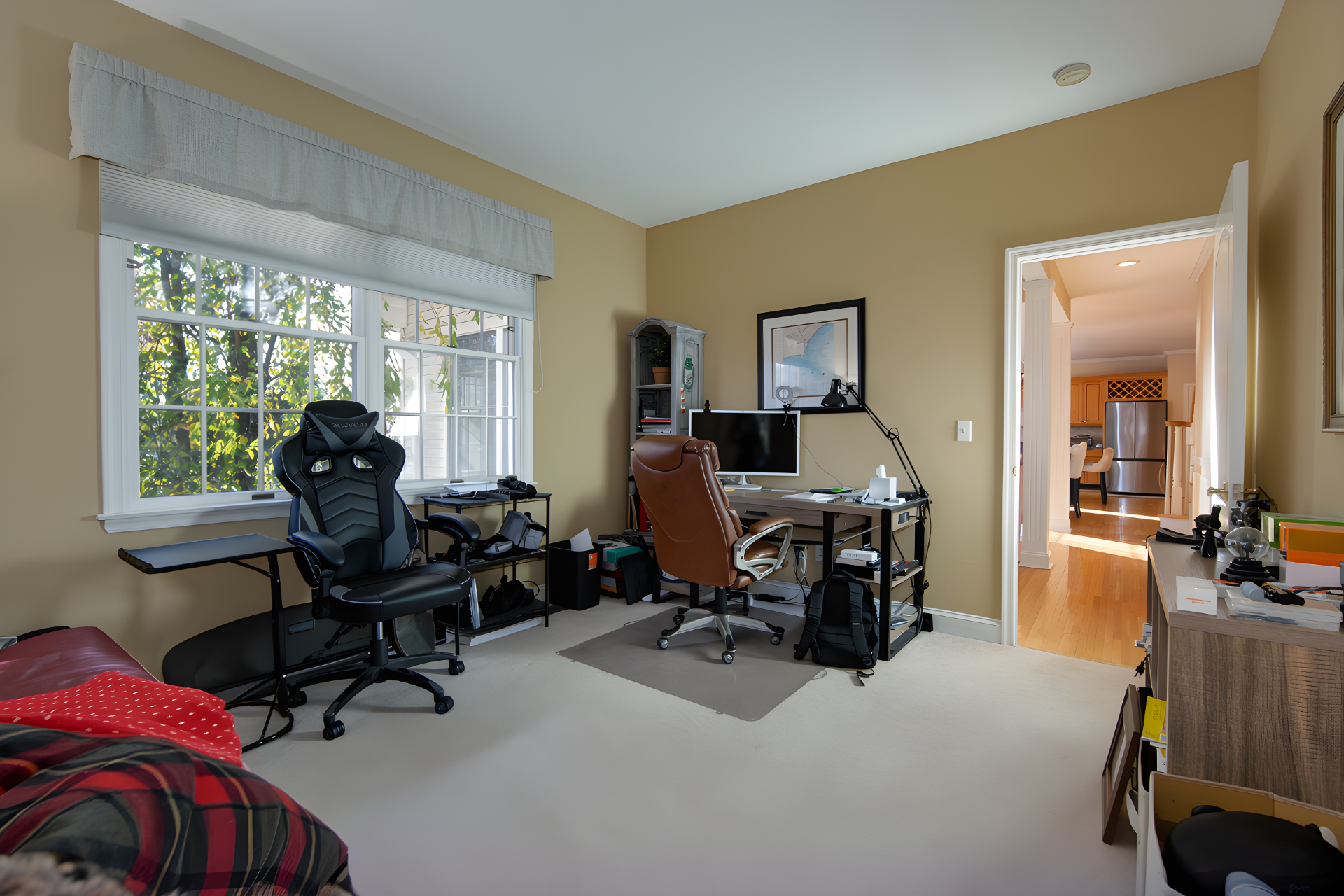
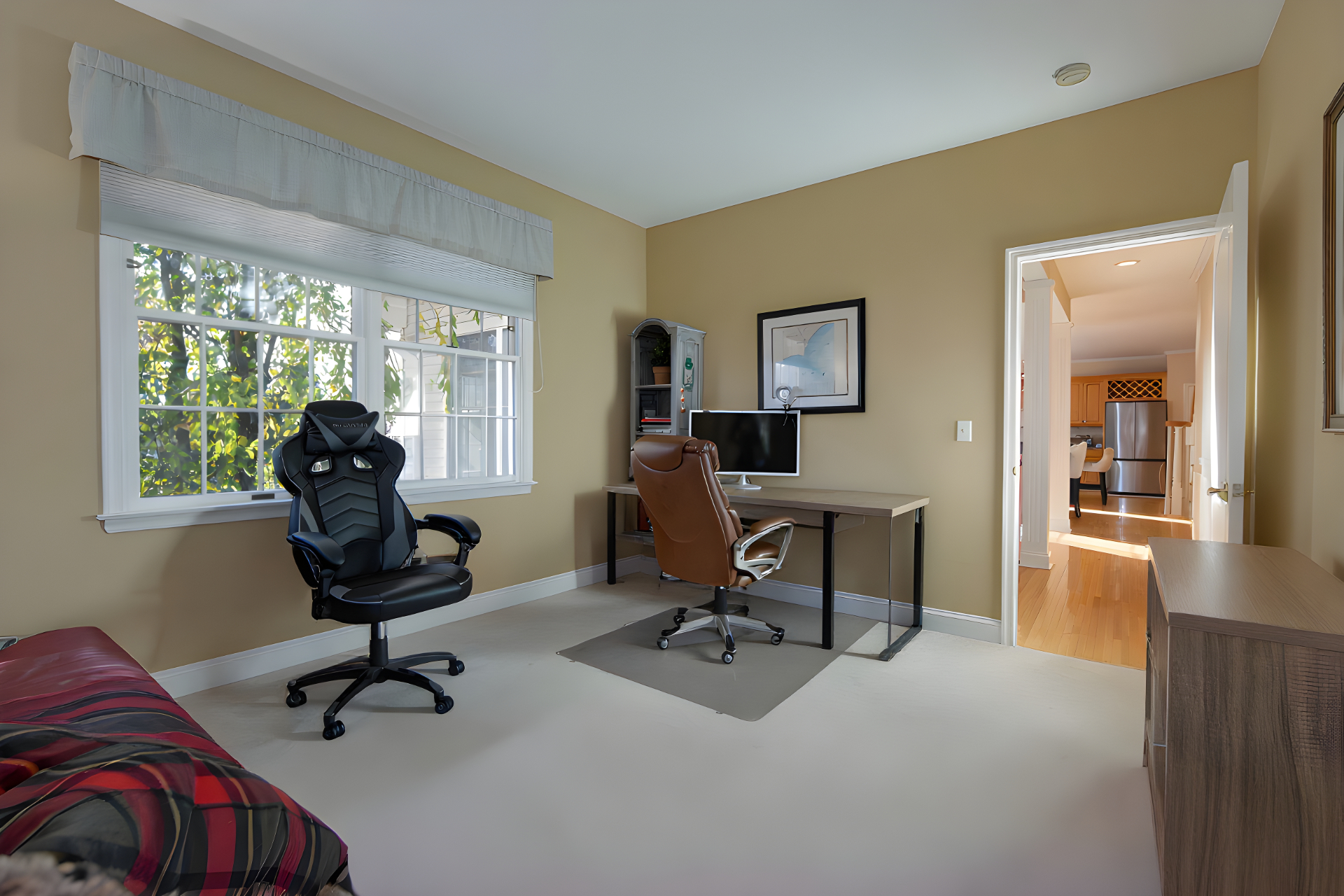
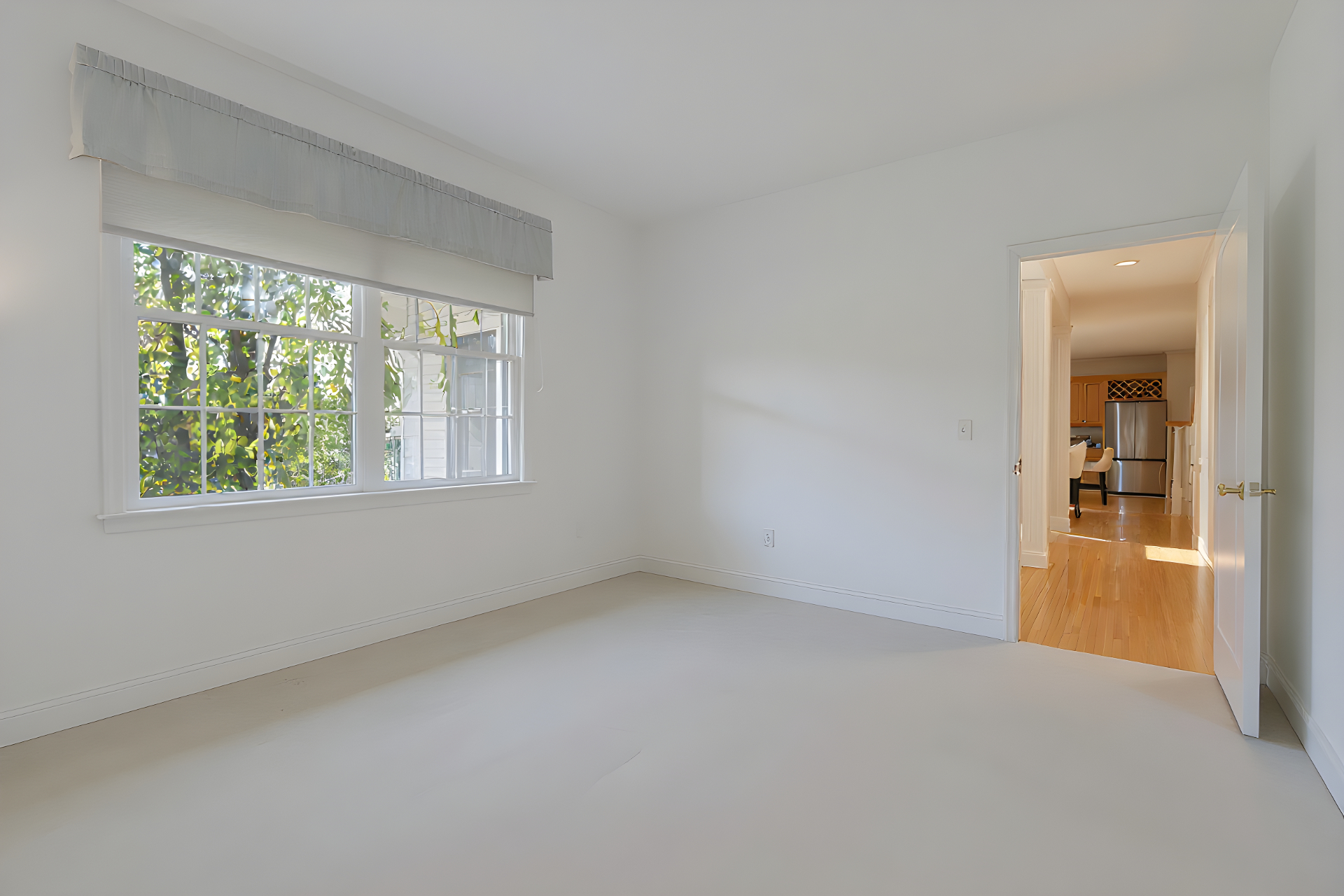
The processing pipeline
A runnable repo designed to turn one-shot generation into a controlled, reviewable process.
Go-to-market
I didn't just build it, I took it to market.
- Gathered market intelligence from real estate photographers.
- Developed positioning strategy to compete with the large photo processing players.
- Built the GTM strategy: target high-volume photographers; employ heavy "show-and-tell" emphasis.
- Executed organic social media campaign, and social media targeted ads.
- Built and sent email campaigns to drive trials and feedback.
- Owned the full funnel from first touch to the product.
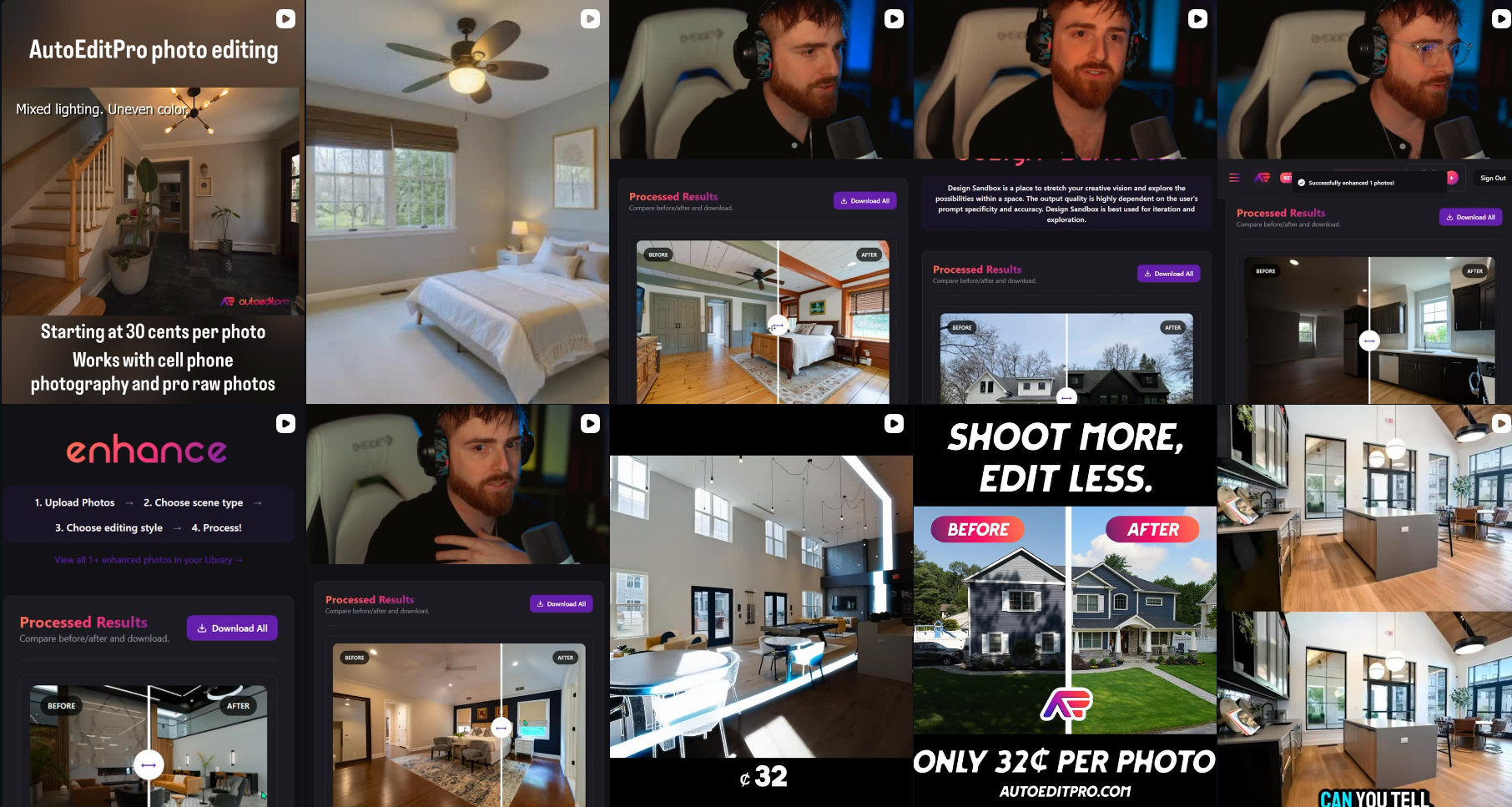
Organic + paid social - before/after reels, pricing hooks, and product walkthroughs.
What I learned
Three lessons from building, training, and taking an AI product to market solo.
Architectural build
AI platform training is pivotal. That probably sounds obvious, but I had to learn it the hard way here. I trained my earliest version of the AEP model on synthetic before-and-after photo pairs, where I artificially created the "before" images by degrading good edits. As a result, the model learned how to undo my degradation script instead of how to enhance real photographs, because the synthetic damage didn't match what real cameras actually produce.
This was my first clue that adequate training would be make-or-break for this project. Adequate training requires a dedicated commitment to high-volume sample sizes, time, vigilance and resources. Skimping on this stage skimps on the final product quality, and the ability to be competitive.
Workflows
Certain workflows are more sacred than others. This is the case with professional photo editing, where photographers take great pride in their own personal editing techniques, and see those techniques as inextricably linked to the quality of their output (and their "brand" reputation). Consequently, this workflow held a high bar for improvements in time efficiency where any morsel of quality degradation or inaccuracy was intolerable. Where perfectionism is driving the output, the bar of AI reliability is enormously high.
Go-to-market
First, selecting the right target audience as early as possible is key because that factor impacts the project right from the design phase. In the case of AEP, I quickly discovered that my best bet was with high-volume real estate photographers who were approaching their business models with more of a "mass production factory" mindset; they were the ones pushing for more volume, often out-sourcing the photography end of the workflow, and therefore more likely to be interested in ways to improve editing efficiencies and speed. This helped with decisions about tech architecture, feature offerings and how to reach key target groups and key influencers.
Second, AI space moves fast, creating a huge challenge for small startups with limited resources. As I was deploying a beta rollout of my first AEP iteration, large companies such as Fotello and AutoHDR began to introduce their own similar AI editing services. Unlike my small enterprise, their platforms were built upon massive training efforts of one to two million photos (mine was a tiny fraction of that), and were supported by strong marketing muscle. It was a stark reminder that speed to market and scale of training data can be as decisive as the idea itself.
Stack
ML / Pipeline
PyTorch, custom-trained CNN (HDRNet-style bilateral grid + affine coefficients + guide map), SegFormer for segmentation, MiDaS for depth.
Web / Infra
React front-end, cloud GPU deployment for inference.
Brand / Design
Illustrator for logo and identity, Photoshop, Procreate, and hand-drawn work on paper.
Brendan Rogers · 2026